Deck Builder in Costa Mesa, CA
Professional deck builders serving Costa Mesa homeowners with custom outdoor living solutions. We combine quality materials, expert installation, and code-compliant construction to create decks that enhance your home’s value.


Decking We Install
Deckorators®, TimberTech® and Trex® composite and PVC decking, plus redwood, cedar, pressure-treated and hardwood decks built by OC Renovation Group.
 TrexPro® Partner
Compare all four ↓
Compare all four ↓
Compare all four ↓
Compare all four ↓
Submit below for a no-pressure, no-obligation quote.No-pressure, no-obligation quote.
Show Estimate Form →Hide Form ↑
What will your deck cost?
Pick the size, height, decking and railing, and see a price range in about a minute. Based on decks we have quoted here in Orange County.

Complete Deck Gallery

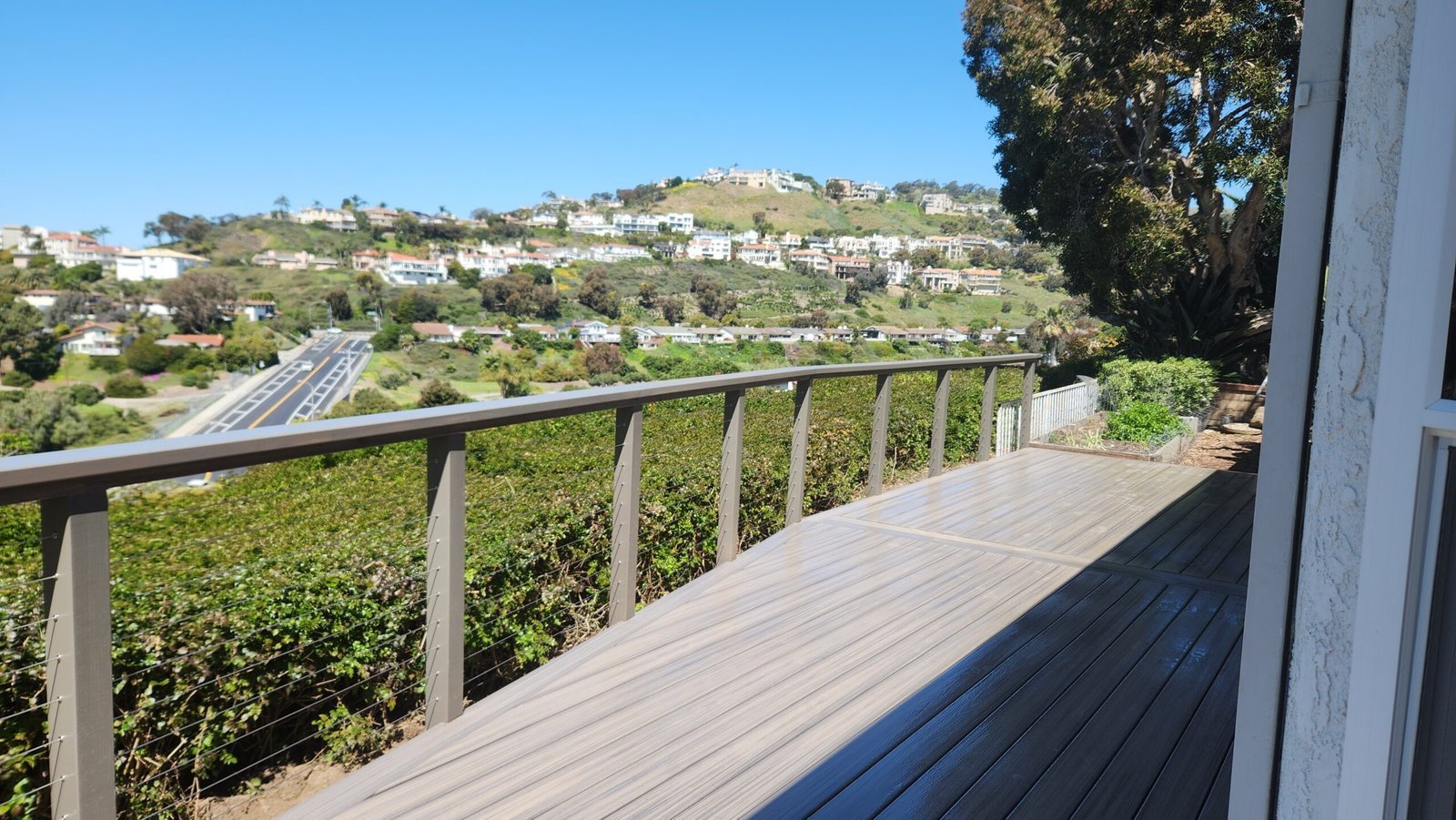
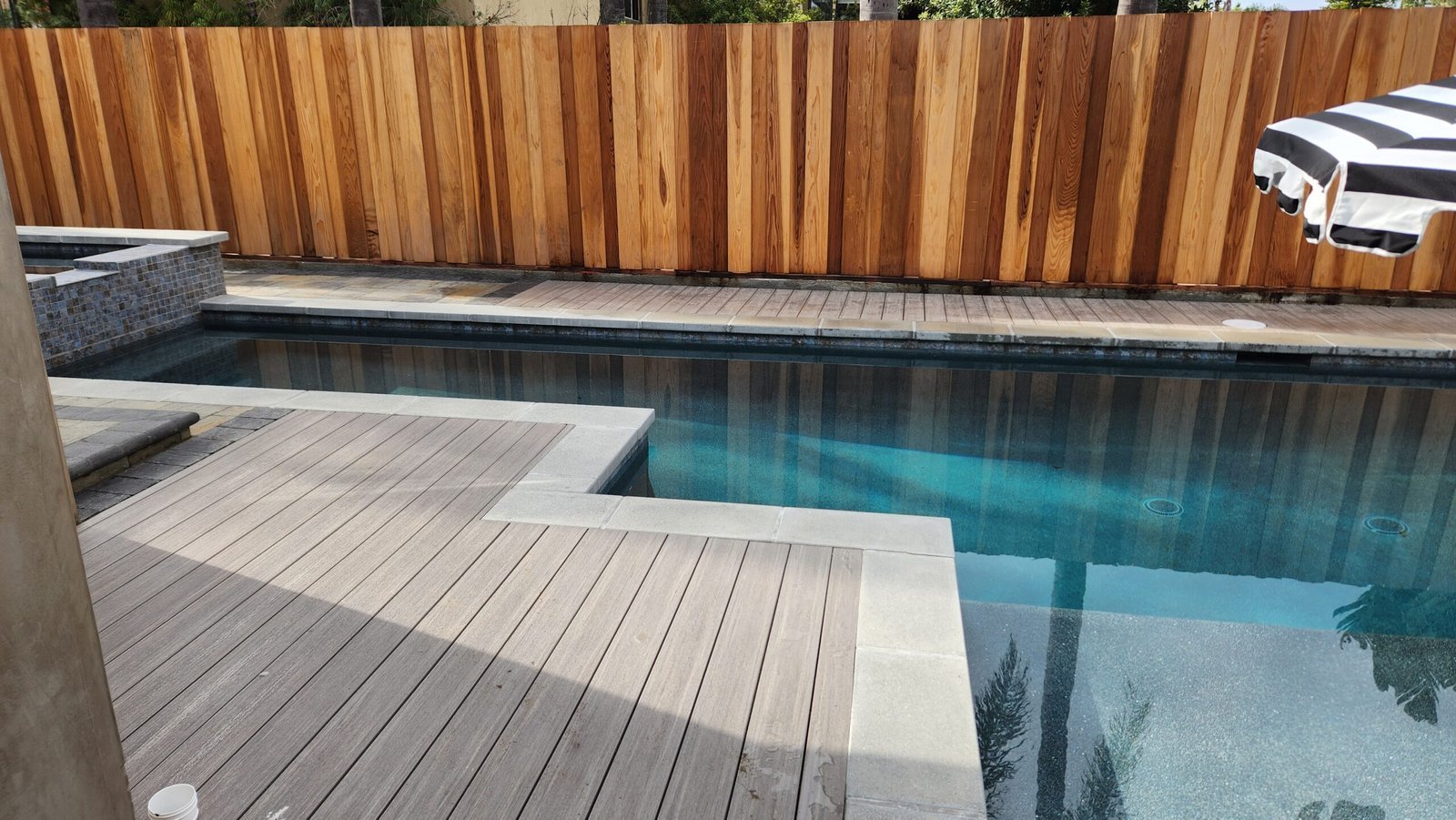
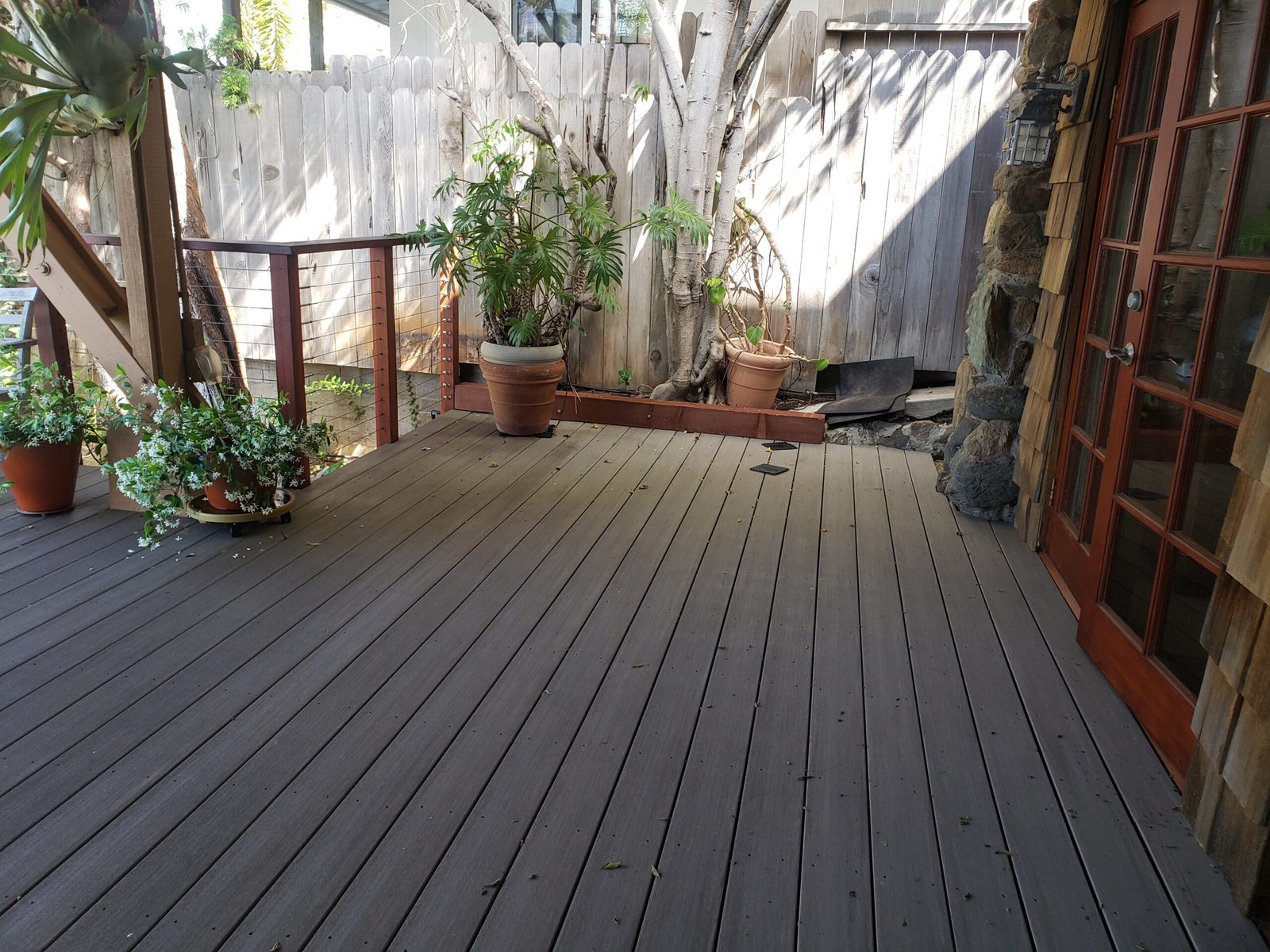
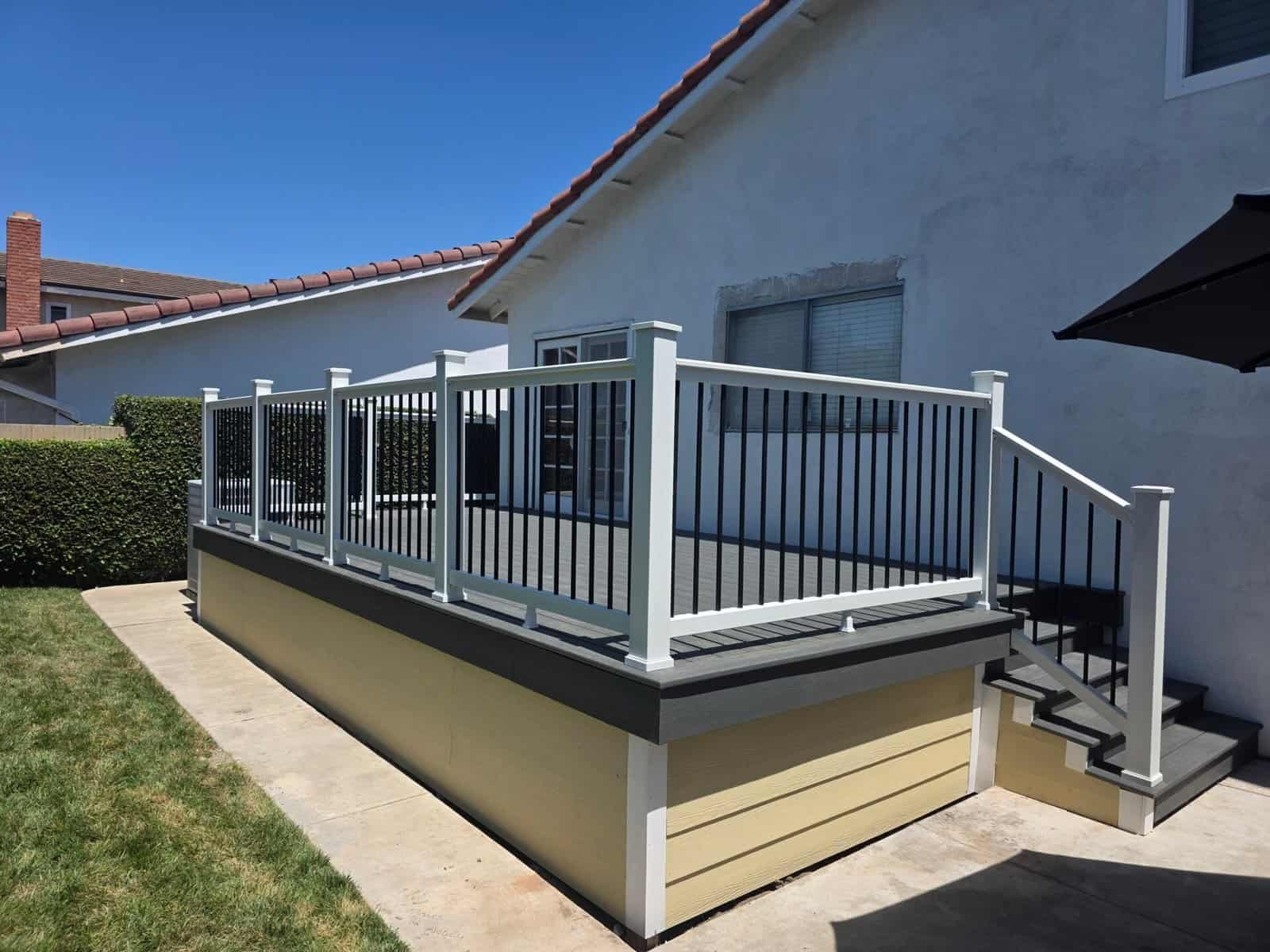
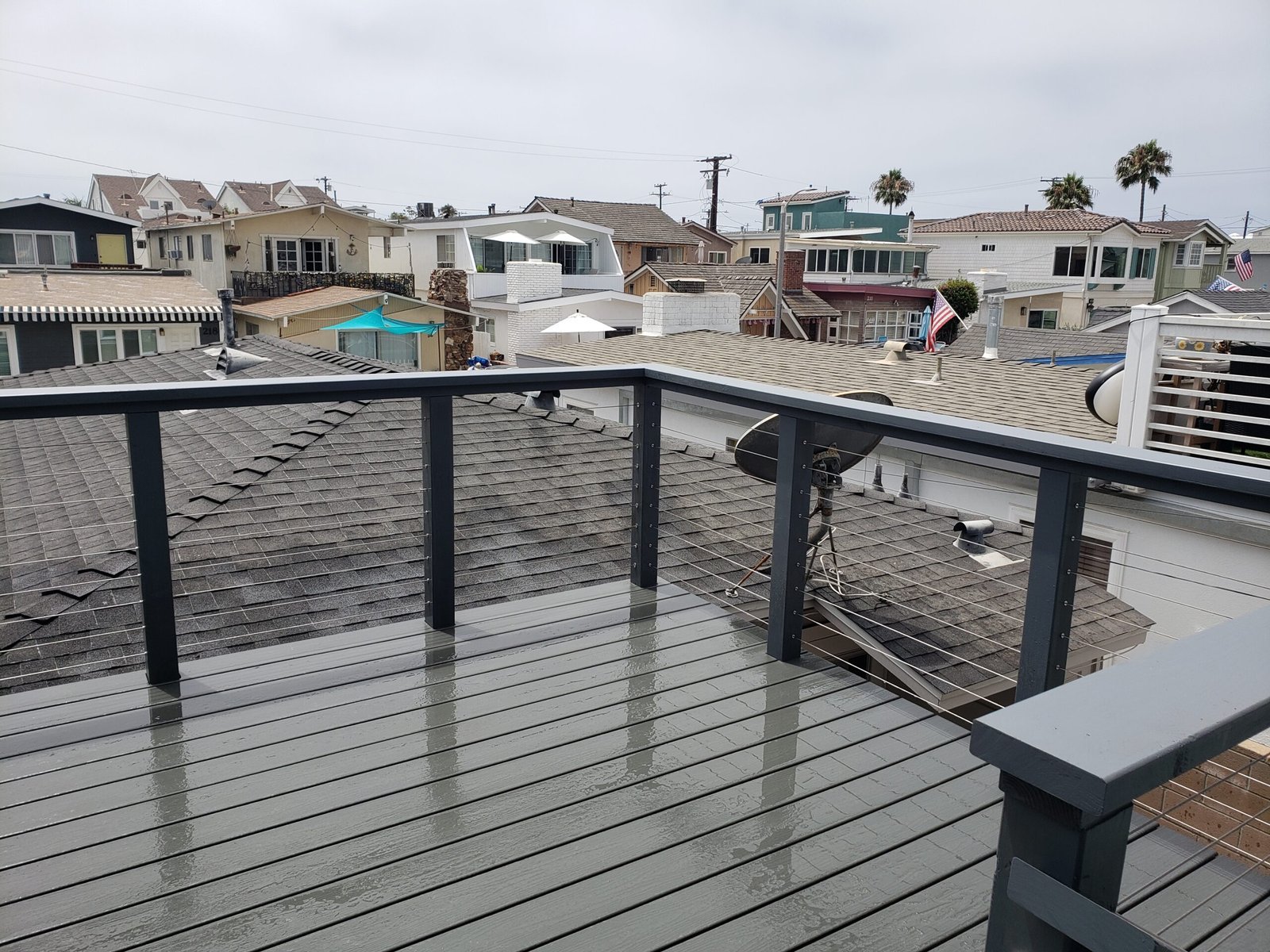
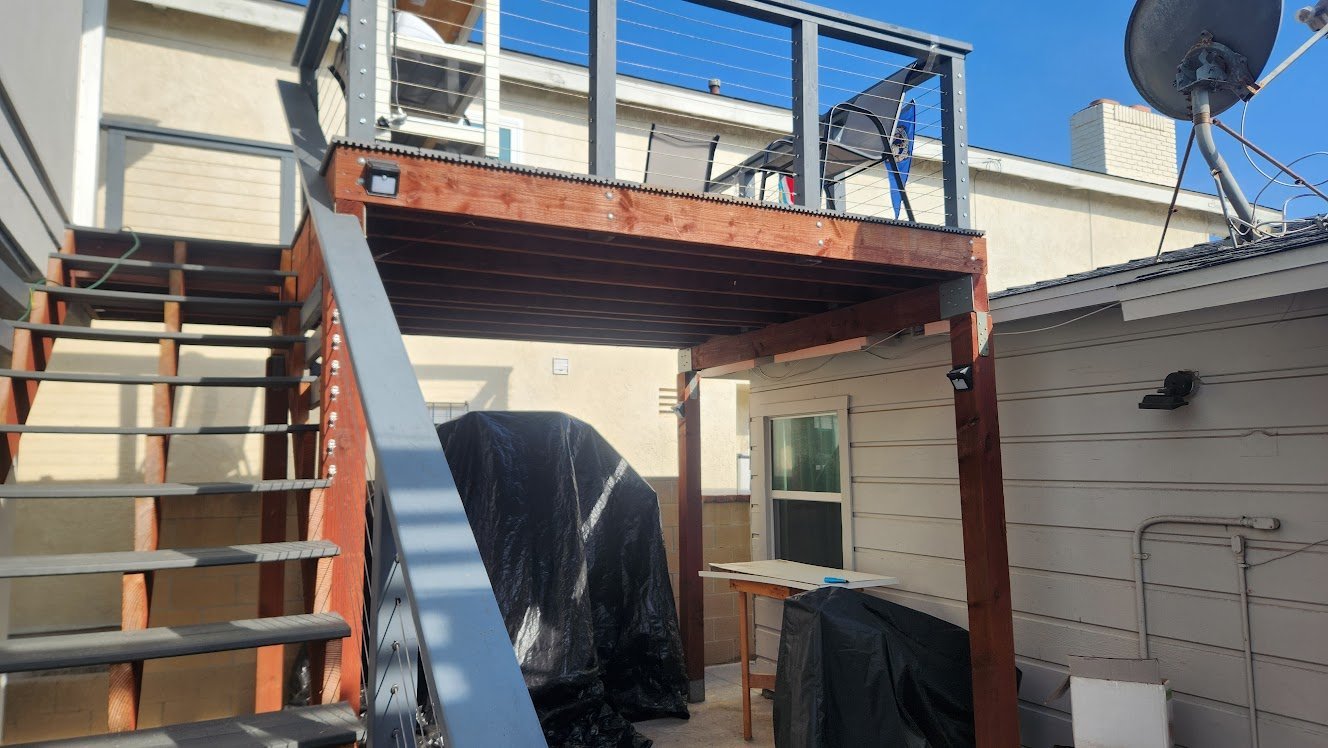
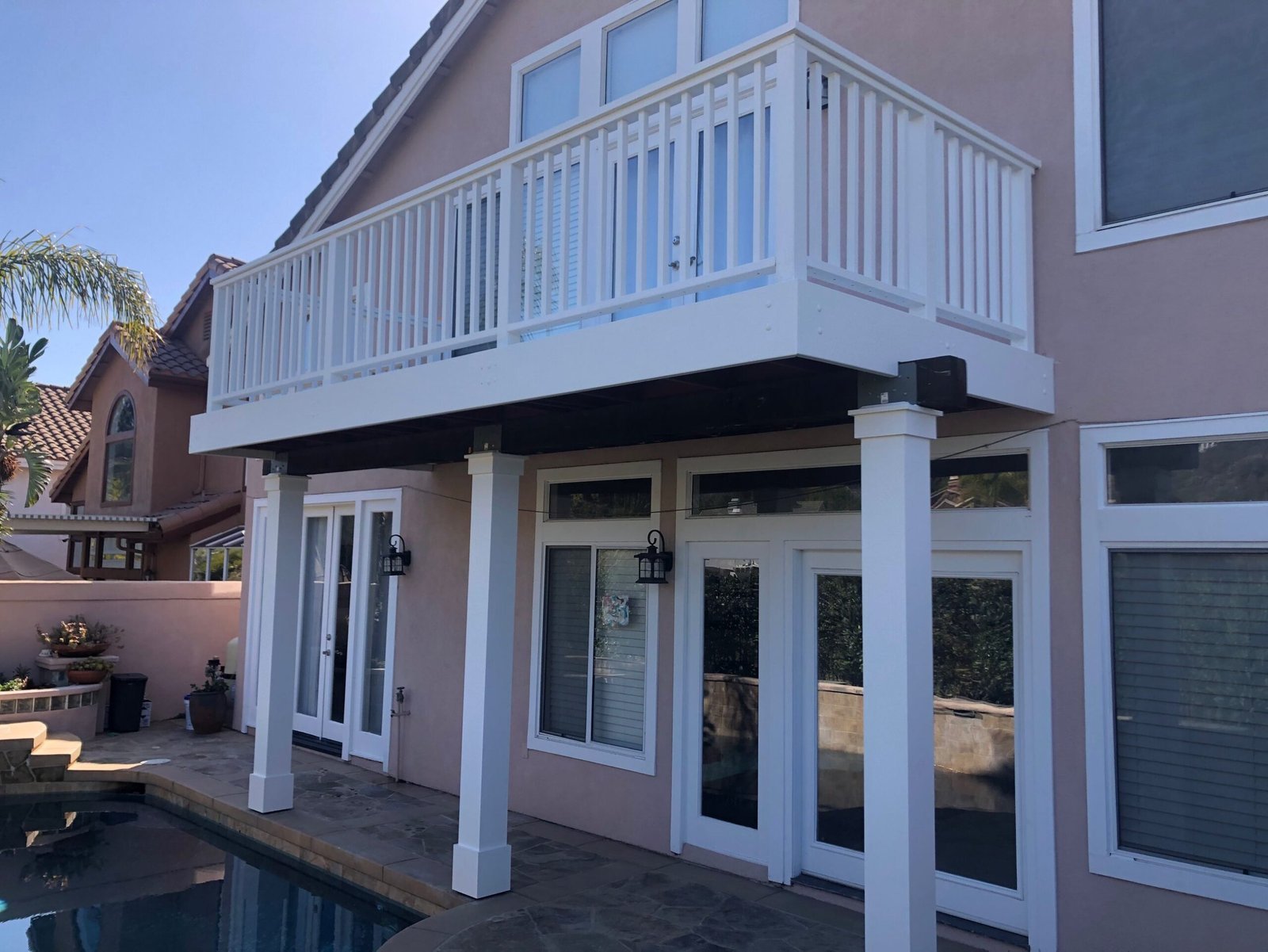
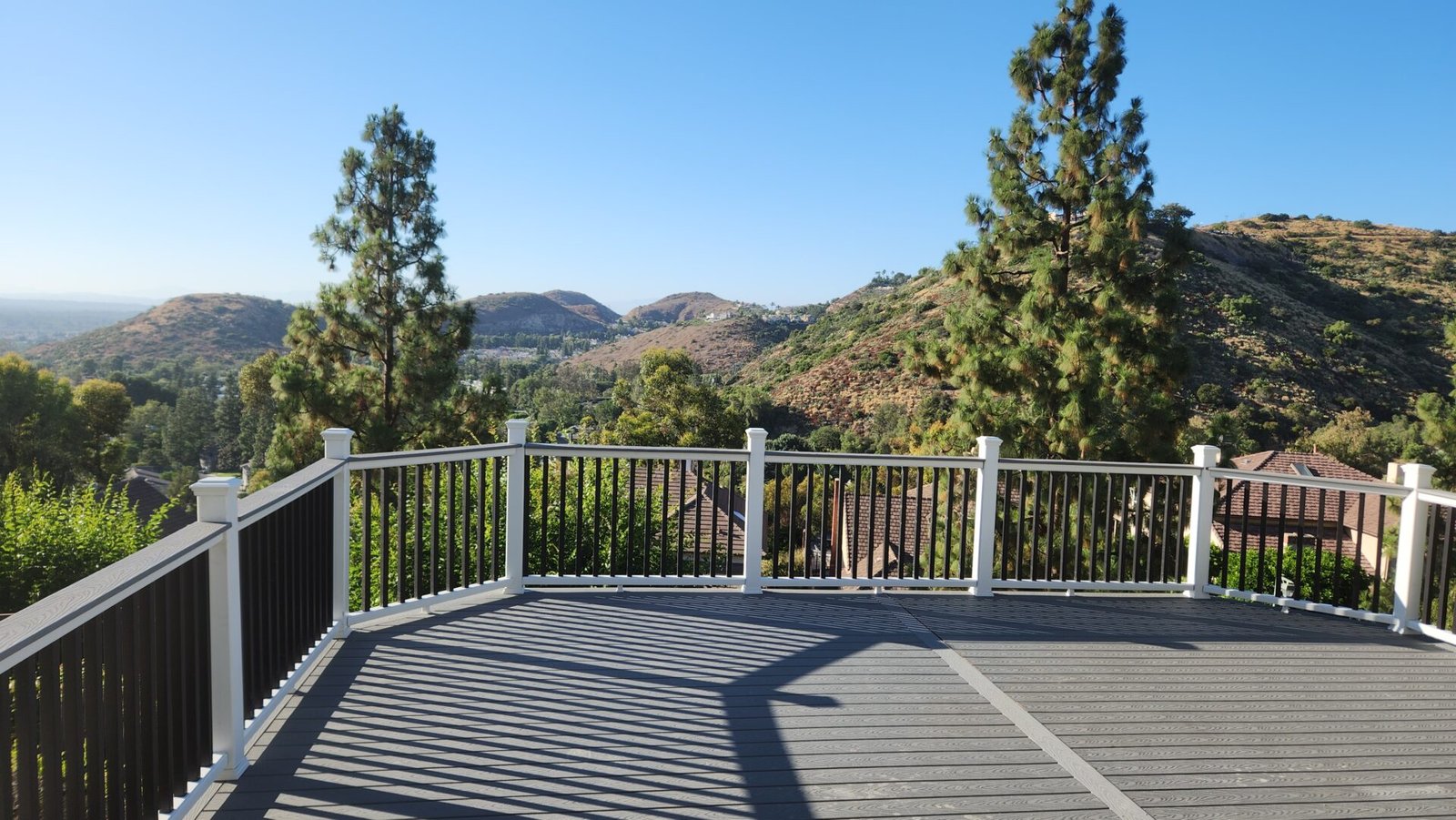
Deck Options by OC Renovation Group
Composite Decks
Wood Decks
Custom Decks
Deck Resurfacing
Coming soon- For plywood decks (balconies, rooftop decks, stairs, over-garage decks), we apply the AL Flex system, a Class “A” fire-rated, reinforced coating that seals out water, adds slip resistance, and creates that seamless concrete finish. Ideal for elevated decks and fire hazard zones.
- For concrete decks (patios, pool decks, walkways), we apply specialized Life Deck coatings that repair cracks, protect against moisture, and refresh the look with durable textures and colors.
Deck Repairs
Custom Decks Built for Costa Mesa Residents
Professionally Designed & Constructed Outdoor Spaces Using Durable, High-Quality Materials
Expert Structural Design & Construction
We assess and plan every deck so it’s safe, stable and code-compliant, from the footings and posts to joist spacing and the ledger connection. Every deck is engineered to last.
Custom Deck Solutions & Aesthetic Upgrades
Multi-level layouts, built-in seating, lighting, stairs and ADA-friendly access, designed around how you’ll use the space. We make it look like it was always part of your home.
Premium Decking Materials
We install Deckorators, TimberTech and Trex composite and PVC decking, plus pressure-treated, redwood, cedar and hardwood. Every material is chosen to hold up to Orange County’s sun and salt air.
Costa Mesa Construction Considerations
- 1Concrete footing
- 2Post on metal base
- 3Beam & joists
- 4Joist tape
- 5Flashed, bolted ledger
- 6Joist hangers
- 7Guard height
12Deck Foundation
A solid deck foundation is the critical starting point for any safe, long-lasting deck. Our professional deck contractors use properly sized concrete footings that extend below the frost line and are calculated according to your deck’s load requirements and local soil conditions. We install galvanized post anchors and adjustable post bases that create secure connections while preventing moisture from wicking into the wood structure. Our foundation work includes proper drainage planning, soil compaction, and gravel base preparation to prevent settling and frost heaving. Without a quality foundation, even the best framing and materials will fail over time. That’s why we engineer every footing to meet California building codes and support your deck safely for decades.
34Deck Framing
Expert framing is the backbone of any deck or patio, and it plays a crucial role in its safety, stability, and longevity. Our professional deck contractors use proper framing techniques that ensure your deck can support weight loads and resist the elements, preventing common issues like sagging or instability. Without expert knowledge of framing techniques, decks can develop serious problems like inadequate drainage, poor foundations, improperly anchored footings, or weak connections between joists, beams, and posts. These issues compromise safety and cost thousands to repair.
56Deck Hardware
We build safe, durable decks using only premium-grade structural hardware. Our code-compliant deck builders use heavy-duty galvanized and stainless steel joist hangers, hurricane ties, and ledger board connectors from trusted brands like Simpson Strong-Tie. We install engineered, code-approved hardware that prevents the structural failures common in poorly built decks. From corrosion-resistant fasteners designed for California’s climate to waterproof flashing that stops hidden rot, every connection is built to last decades.
Potential Hidden Costs
Many Costa Mesa homeowners are surprised by expenses that don’t get mentioned upfront, which is why we explain potential costs during your consultation. From Eastside to Mesa Verde, property conditions can vary and influence your budget. Permit fees depend on the project, and older homes from the 1950s to 1970s near Harbor and Newport Boulevards often require reinforcement before attaching a new deck. Electrical work for lighting or outlets can also add costs, and soil conditions play a role as well. Sandy coastal areas and clay soils closer to the 55 freeway may require specialized foundation work, adding $400 to $1,800.
Coastal homes within two to three miles of the shoreline often need corrosion-resistant hardware, while older properties may require seismic retrofitting to meet safety standards. Our team conducts detailed site assessments so we identify these challenges before quoting, not after construction begins. We also provide contracts that clearly outline what’s included, from cleanup to final inspection, so there are no surprises. Costa Mesa requirements can affect projects in other ways too, such as the city’s construction work hours or electrical panel upgrades for deck lighting on older homes. With OC Renovation Group, you’ll know exactly what to expect and can move forward with confidence.
Professional Deck Installation vs DIY
DIY appeals to handy Costa Mesa homeowners, but deck construction involves structural engineering, seismic requirements, and building codes most DIYers underestimate, particularly important where diverse property ages create varying challenges.
Costa Mesa requires permits for decks over 30 inches. City inspectors check foundation depth (minimum 12 inches, often 18-24 in seismic zones), joist spacing, ledger connections, and 42-inch railing compliance. These aren’t suggestions. They’re safety requirements. Mistakes create liability issues.
We’ve repaired DIY decks where homeowners’ skills or time weren’t sufficient. Common issues include improper footings for variable soil conditions (sandy near coast, expansive clay inland), inadequate flashing for moisture protection from marine layer, and structural connections not meeting seismic requirements. Older Costa Mesa homes pre-dating modern seismic codes present particular challenges for DIYers unfamiliar with retrofit techniques.
Professional installation makes sense when you value your time, want guaranteed compliance, and need someone understanding Costa Mesa’s specific requirements and variable property conditions. Costa Mesa’s diverse housing stock, from 1950s ranches to modern developments, requires experienced assessment. DIY might work for very simple ground-level projects with construction experience, but elevated decks in earthquake zones require professional engineering protecting your investment and family safety.
45Waterproofing and Drainage
Preventing water damage starts with comprehensive waterproofing, the most critical element of deck longevity. We implement professional protection systems on every installation:
- Membrane Installation: Elevated deck construction over habitable spaces requires approved waterproof membrane systems. We use industry-leading products that establish complete moisture barriers, protecting interior areas from water infiltration.
- Drainage System Integration: Proper water management requires engineered slope (minimum 1/4″ per foot) combined with strategic discharge planning. Our systems direct water away from foundations and prevent the pooling that leads to structural deterioration.
- Ledger Board Protection: The deck-to-house connection demands specialized attention. We install flashing with corrosion-resistant fasteners, proper ventilation spacing, and waterproof sealing that prevents the moisture intrusion responsible for most deck failures.
- Flashing Systems: Critical connection points (where decking meets siding, around support posts, at railing bases) require professional flashing installation. We use marine-grade materials that exceed code minimums for long-term reliability.
- Ventilation Spacing: Manufacturer-specified gaps between deck boards ensure proper drainage while maintaining structural integrity. These channels prevent moisture accumulation that causes rot, mold, and premature material failure.
- Coastal Proximity Protection: Costa Mesa’s location near the coast means salt air exposure requires enhanced corrosion resistance. We specify hardware and fasteners rated for coastal environments to ensure lasting performance.
Waterproofing failures cause costly structural damage and premature deck replacement. We don’t cut corners on waterproofing. It’s built into every deck we construct, protecting your investment for decades to come. We provide waterproofing throughout Costa Mesa, ensuring long-lasting protection for homes from Eastside to Mesa Verde.
Deck Patterns & Add-Ons
How the boards are laid changes the whole look. We frame the deck for the pattern you choose.
Popular add-ons
Check Out Our Reviews


How Our Deck Building Works & What to Expect
You Are A Phone Call Away From Giving Your Home An Upgraded Deck In Costa Mesa
-
1
Step 1: Consultation & On-Site Evaluation
Start your project with a free deck design consultation for your plans. Our team evaluates your property, discussing your vision, budget, and intended use (entertaining, hot tub, outdoor furniture). During the on-site assessment, we check site grading, drainage, soil type and stability, sun exposure, existing structures, setbacks, and access for materials and equipment. This ensures your deck is designed to be safe, functional, and code-compliant.
- Site, grading and drainage checked
- Sun exposure and access noted
- Your budget and use talked through
-
2
Step 2: Material Selection & Custom Deck Design
Choose from premium decking materials, including composite, hardwood, or pressure-treated wood. We create a custom deck construction plan addressing footings, joist sizing, railing height, stair dimensions, and aesthetic preferences. Our client-centered deck design approach ensures durability, optimal load support, and long-term enjoyment while complying with California deck building codes.
- Pick your decking, color and pattern (we bring deck samples)
- Plan for footings, framing, stairs and rails
- Clear written estimate before any work starts
-
3
Step 3: Professional Deck Installation & Final Walkthrough
Our skilled Orange County deck builder handles framing, stair integration, railing installation, and finishing touches. We navigate site-specific challenges such as uneven terrain or limited access. Upon completion, we conduct a walkthrough, verify structural integrity, and provide maintenance guidance for your safe, beautiful, and long-lasting outdoor living space.
- Permits and inspections handled
- Framing, boards, stairs and rails installed
- Walkthrough plus care tips for your material
Costa Mesa Deck FAQ
How do I apply for a deck permit in Costa Mesa?
Costa Mesa’s Building Safety Division takes permit applications through TESSA, the city’s online portal, and paper applications are not accepted. Projects that need plan review are filed there, and the same portal is used for fees, status updates and inspections. We prepare the plans, file the application and schedule the inspections for you.
What hours can a deck crew work in Costa Mesa?
Costa Mesa’s municipal code allows construction from 7 a.m. to 7 p.m. Monday through Friday and 9 a.m. to 6 p.m. on Saturday. Work is not allowed on Sundays or on New Year’s Day, Memorial Day, Independence Day, Labor Day, Thanksgiving and Christmas. Work outside these hours needs a temporary waiver from the city. We plan our work days around these hours.
Is any of Costa Mesa in a fire hazard zone?
Yes, parts of the city are now mapped. The state issued new Fire Hazard Severity Zone maps for Costa Mesa in March 2025, and the City Council adopted them in June 2025. CAL FIRE’s chief has said Costa Mesa has no Very High zones. The rules depend on the exact zone, so we check your address on the state’s map before choosing materials.
Value, premium, mineral or PVC: what’s the difference?
All four are low-maintenance and never need sanding, staining or sealing. The difference is what’s inside the board, and that changes how it handles heat, water and fire.
| Compare | Value compositeTrex Enhance, TimberTech Prime, Deckorators Venture | Premium compositeTrex Transcend, TimberTech Legacy, Deckorators Vista | Mineral compositeDeckorators Summit and Voyage | PVCTimberTech Vintage, Landmark, Harvest and Trex Refuge |
|---|---|---|---|---|
| What’s inside | Wood fiber and recycled plastic, with a protective cap on 3 sides. | Wood fiber and recycled plastic, with a thicker, tougher cap. TimberTech caps all 4 sides. | Plastic and minerals with no wood at all (Deckorators Surestone). | 100% plastic (cellular PVC) with no wood at all. |
| Look and feel | Lighter boards, most with a grooved underside. Fewer colors and simpler grain. | Mostly solid boards with richer wood grain, more colors and better scratch resistance. | About 35% lighter than wood-based composite and very stable. Barely grows or shrinks with the weather. | The lightest boards, with some of the most realistic grain. Grows and shrinks more with heat, so we space it for that. |
| Heat underfoot | Warm in full sun, like most wood-based composite. Lighter colors stay cooler. | Some lines are made to run cooler. Trex says Transcend Lineage stays up to 35° cooler than its original boards. | The cap reflects sunlight, so it holds less heat than wood-based composite. | Coolest of the four. TimberTech says up to 30° cooler than standard composite in select colors. |
| Water and salt air | Good for most yards. Not rated for ground or water contact. | Very good. Not rated for ground or water contact. | Almost no water absorption. Rated for ground contact and even underwater. | Best overall. The top pick around pools and salt air. |
| Wildfire zones | Most are not approved. Deckorators Altitude is the exception . | Several approved lines : Trex Select, Transcend, Transcend Lineage and Deckorators Vista. | Not approved for wildfire (WUI) zones. | Best fire ratings . TimberTech Landmark, Vintage and Trex Refuge are Class A. |
| Warranty | 25 years | 25 to 50 years, depending on the line | 25 to 50 years, depending on the line | 50 years to lifetime |
| Price | Lowest of the four | Middle to upper | Middle to upper | Highest of the four |
| Best for | Replacing an old wood deck on a budget. | Most decks. The best mix of looks, toughness and price. | Low decks near the ground, beach homes and wet spots. | Pools, coastal homes, wildfire zones and anyone who wants the coolest boards. |
Value composite
- Examples
- Trex Enhance, TimberTech Prime, Deckorators Venture
- What’s inside
- Wood fiber and recycled plastic, with a protective cap on 3 sides.
- Look and feel
- Lighter boards, most with a grooved underside. Fewer colors and simpler grain.
- Heat underfoot
- Warm in full sun, like most wood-based composite. Lighter colors stay cooler.
- Water and salt air
- Good for most yards. Not rated for ground or water contact.
- Wildfire zones
- Most are not approved. Deckorators Altitude is the exception .
- Warranty
- 25 years
- Price
- Lowest of the four
- Best for
- Replacing an old wood deck on a budget.
Premium composite
- Examples
- Trex Transcend, TimberTech Legacy, Deckorators Vista
- What’s inside
- Wood fiber and recycled plastic, with a thicker, tougher cap. TimberTech caps all 4 sides.
- Look and feel
- Mostly solid boards with richer wood grain, more colors and better scratch resistance.
- Heat underfoot
- Some lines are made to run cooler. Trex says Transcend Lineage stays up to 35° cooler than its original boards.
- Water and salt air
- Very good. Not rated for ground or water contact.
- Wildfire zones
- Several approved lines : Trex Select, Transcend, Transcend Lineage and Deckorators Vista.
- Warranty
- 25 to 50 years, depending on the line
- Price
- Middle to upper
- Best for
- Most decks. The best mix of looks, toughness and price.
Mineral composite
- Examples
- Deckorators Summit and Voyage
- What’s inside
- Plastic and minerals with no wood at all (Deckorators Surestone).
- Look and feel
- About 35% lighter than wood-based composite and very stable. Barely grows or shrinks with the weather.
- Heat underfoot
- The cap reflects sunlight, so it holds less heat than wood-based composite.
- Water and salt air
- Almost no water absorption. Rated for ground contact and even underwater.
- Wildfire zones
- Not approved for wildfire (WUI) zones.
- Warranty
- 25 to 50 years, depending on the line
- Price
- Middle to upper
- Best for
- Low decks near the ground, beach homes and wet spots.
PVC
- Examples
- TimberTech Vintage, Landmark, Harvest and Trex Refuge
- What’s inside
- 100% plastic (cellular PVC) with no wood at all.
- Look and feel
- The lightest boards, with some of the most realistic grain. Grows and shrinks more with heat, so we space it for that.
- Heat underfoot
- Coolest of the four. TimberTech says up to 30° cooler than standard composite in select colors.
- Water and salt air
- Best overall. The top pick around pools and salt air.
- Wildfire zones
- Best fire ratings . TimberTech Landmark, Vintage and Trex Refuge are Class A.
- Warranty
- 50 years to lifetime
- Price
- Highest of the four
- Best for
- Pools, coastal homes, wildfire zones and anyone who wants the coolest boards.
Based on Trex, TimberTech and Deckorators product information, October 2026. Warranties are the makers’ residential warranties. See the lines we install ↑
Trex, TimberTech or Deckorators: which decking is best?
All three make excellent decking, and we install all three, so we recommend whatever fits your deck rather than one brand. Trex has the widest range of composite lines and several approved for wildfire zones. TimberTech’s Advanced PVC stays cooler underfoot and is great around pools. Deckorators’ mineral-based boards are light, very stable and can even go in the ground or water. Within each brand, the line you pick matters more than the name on the box, so we compare them side by side with you at your consult. Read our composite decking guide →
What decking is best for homes near the beach?
Near the ocean we recommend capped composite or PVC installed with stainless steel fasteners. If you want real wood, redwood and Ipe handle salt air best. We don’t recommend pressure-treated decking close to the coast, because the boards and hardware wear out quickly there. Compare deck woods →
How long does a composite deck last compared to wood?
Composite decking lasts about 25 to 30 years, and premium lines can last longer. Redwood lasts about 20 to 25 years with care, cedar 15 to 20, and pressure-treated wood 10 to 15. Regular cleaning and a sound frame underneath make the biggest difference. Deck care tips for every season →
Thinking about starting a new deck project? We’d love to be part of it. Whether you’re adding on, fixing up, or building a new deck, our crew shows up, does the job right, and keeps things simple. No surprises, no runaround. Just solid framing work you can count on. Give us a call. We’re always happy to chat and see how we can help upgrade your backyard living space. Complete your backyard with a matching Patio Cover or Pergola for the perfect blend of shade and style.
Call (949) 500-3689